
As someone who has just started Pilates or plans to try it, you likely ask yourself this question: Do you have ways to measure if the method is really producing the intended results? That’s a fair question.
Pilates produces noticeable changes which go beyond quick and dramatic results. The progress in Pilates becomes visible through gradual improvement, which leads to higher posture and freer movement alongside internal strength development.
But make no mistake: Tiny modifications gradually develop into significant improvements during the course of time. You need a system to monitor your advancement which enables motivation rather than weight preoccupation or unreasonable goals.
This blog presents functional guidelines to monitor your Pilates journey through before-and-after evaluations. Through this guide, you will learn which signs to notice, along with effective tracking methods and the critically important method of celebrating your achievements in a healthy manner.
Let’s face it: Consistently following a workout routine proves to be an arduous task. You find life getting hectic while outcomes appear sluggish, which leads many people down the path of believing “What’s the point?“
Pilates progress tracking serves as your primary tool to monitor your growth.
Measuring your progress in flexibility, along with better posture and increased energy, helps you see that your current practice is delivering positive results. Your progress tracking motivates you throughout the entire commitment to your workout plan.
Tracking progress isn’t about perfection. It’s about awareness. The key to advancing lies in noticing your progress even when the changes seem minor initially.
Pilates develops strength while building flexibility, improving posture, and control. Your body prefers different responses to fitness activities since these responses are influenced by your current fitness stage and the number of sessions, and your personal lifestyle program.
This is a typical time schedule you can expect:
After 10 sessions: Throughout the first 10 Pilates sessions, you should begin noticing improvements. The practice makes you more body-aware, along with engaging your core and slightly enhancing your posture.
After 20 sessions: The physical transformation becomes clear to others. Your muscle tone becomes more visible while your coordination improves, and routine activities become simpler to perform.
After 30 sessions: Other people begin to realise your transformation at this point. Your habits of self-care improve while your waist looks thinner, and you experience overall body strength.
Before you jump into your first Pilates class, take a moment to create your “starting point.” This is where you’ll measure all your future progress from.
Your goal isn’t flawless looks, but an accurate visual comparison becomes essential. Record up to three different photos from each body angle using fitted outfits and neutral lighting conditions. The changes in your posture, along with your muscle tone, throughout time will astound you.
Take out your notebook or app to respond to the following questions:
The initial record of your present state will provide useful information when you assess improvements which extend past physical changes.
Perform a basic Pilates video or routine for 10–15 minutes to recognise the physical sensations in your body. Can you hold a plank? How deep is your roll-down? Where do you experience the highest amount of tension, together with weakness?
Record all noticeable issues because they will form your baseline.
Pilates establishes a reputation for developing body flexibility without applying excessive strain to the body. Record the extent to which you reach in stretching without experiencing pain. Have you been able to extend your reach toward your feet? Is your spine more mobile?
Set a timer to monitor your ability to hold static positions, such as the hundred or forearm plank. What is your maximum duration for sustained performance of proper posture? Your stability will increase as time passes.
The initial effect of Pilates demonstrates better posture as its main change. Your body stance shifts as you gain confidence through Pilates because your shoulders stretch back while your head remains high. You should capture monthly photo updates of your posture or get feedback about your changes from a close friend.
Pilates challenges your mind-body connection. Single-leg circles and standing leg work evaluate your stability performance in Pilates practice. Your movements will become more controlled as your body improves its balance over time.
Sometimes progress is invisible. The following indicators point to progressive effects of your Pilates workout, although they might not be immediately obvious:
Pilates training develops along a curved path instead of a direct path. Throughout your Pilates journey, you will experience both days of energetic strength along with periods of stiffness and imbalance. Occasionally, you may experience stiffness or unbalanced feelings throughout certain weeks of your Pilates journey. That’s normal.
Similarly to mountain climbing, one must understand that progress does not always go upward. The purpose for today might simply be attendance along with execution of daily tasks. Progress requires continuing your dedication to the work while change remains invisible.
Trust the process. Keep going.
The Pilates approach helps us understand that transformation does not need to be large and attention-grabbing.
Transformation exists in how your body functions and your breathing habits, alongside the level of confidence you embrace. Your ongoing presence for self-care achieves everything, even on the days when it seems challenging.
No matter how different your “after” appearance appears, your progress should still stand as something to take pride in. You gain progress each time you participate in a Pilates session. We can truly feel proud of our efforts here.
"*" indicates required fields

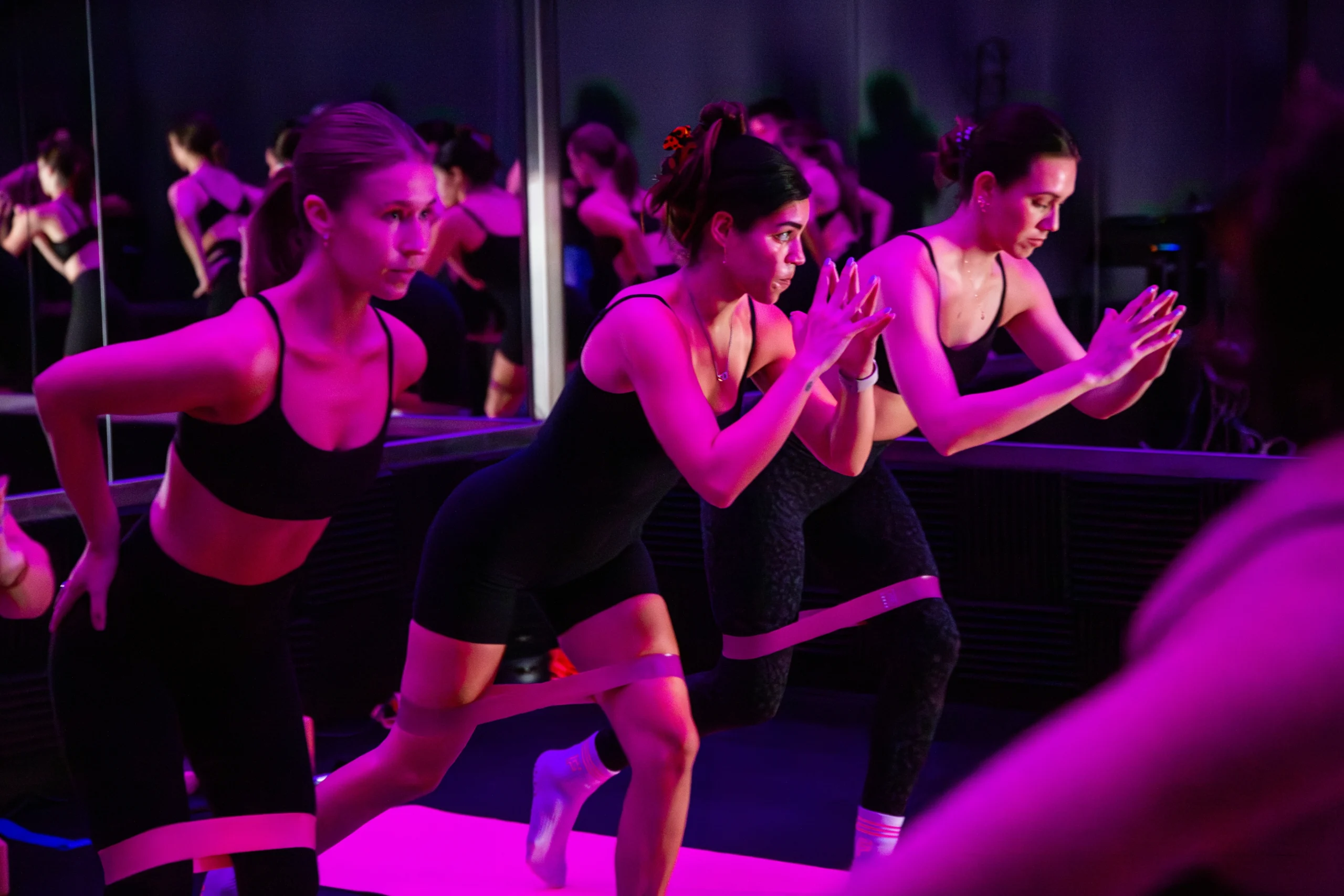
Our passionate team and amazing instructors help you clear your mind.