
Pilates often gets labeled as a gentle or low impact training regimen which can make people wonder if it truly counts as strength work. So is pilates resistance training?
The short response is yes. But the real value comes from understanding how it builds strength and how it compares with other forms of resistance exercise.
From a coaching perspective at FIT AS FIRE, this question comes up a lot from people who want strength without heavy lifting. Let’s break it down in a clear, practical way.
Resistance training is any exercise where muscles work against a force. That force can come from:
The goal is simple. Muscles contract against resistance, which leads to strength gains over time.
So the key idea is not the equipment. The key idea is resistance.
Yes. Pilates uses resistance in several ways.
Mat Pilates relies on your own body weight. Movements like leg lifts, planks, and controlled roll ups challenge muscles through tension and control. Holding a position while moving slowly increases muscular demand.
Reformer Pilates and other equipment use springs that create adjustable tension. Springs push back as you move, which forces muscles to work through both effort and control phases.
Pilates emphasizes slow and controlled motion. Muscles stay engaged longer during each repetition. That extended effort is a core principle of resistance training.
Because of these factors, the answer is pilates resistance training is grounded in exercise science, not opinion.

Pilates does not always look like traditional strength training. You may not see heavy loads or fast repetitions. Instead, Pilates focuses on:
These elements change how strength develops. Instead of chasing maximum load, Pilates builds functional strength that supports posture and joint health.
Many Pilates movements require maintaining stability while moving limbs slowly. That demands constant muscle engagement. For example, holding a neutral spine during leg circles requires core strength similar to stabilization work in sports training.
Pilates trains smaller stabilizing muscles that are often missed in standard gym routines. These muscles support joints and improve movement efficiency.
Unlike some resistance programs that focus only on force production, Pilates builds strength while improving mobility. Muscles learn to work through a full range of motion.

Understanding the differences helps clarify expectations.
Weight training often uses higher external loads. Pilates typically uses moderate resistance but increases challenge through control and repetition quality.
Weight training can isolate muscle groups. Pilates emphasizes integrated movement patterns.
Strength training often increases weight. Pilates progresses through complexity, control, and tension adjustments.
Both methods build strength. They simply take different paths.
Pilates is especially effective for certain goals and populations.
People new to exercise can build foundational strength without heavy equipment. Learning control first reduces injury risk.
Pilates places less compressive force on joints compared with heavy lifting. That makes it appealing for those with joint sensitivity.
Many athletes use Pilates to support performance. Strong stabilizing muscles improve coordination and efficiency.
Pilates targets muscles that support posture. Strengthening these areas helps counter long hours of sitting.

That depends on the goal.
If the goal is functional strength, posture improvement, and core stability, Pilates can stand alone as a resistance method.
If the goal is maximal muscle size or power, combining Pilates with heavier resistance work may produce faster results.
A balanced program often includes both approaches. Pilates builds control. External load builds force capacity.

Some people doubt Pilates because it looks controlled rather than intense. These signs confirm muscular effort:
Resistance training does not require speed or heavy weight. It requires muscular effort against force. Pilates delivers that effort.
To treat Pilates as resistance training, focus on these principles:
Speed reduces muscle engagement. Controlled motion increases tension.
Alignment determines which muscles work. Proper positioning makes exercises more effective.
Increase challenge through more advanced movements or higher spring tension.
Strength builds through repeated effort over time.
When these elements are present, the question is pilates resistance training becomes less theoretical and more practical.
Pilates clearly fits the definition of resistance training. It challenges muscles through body weight, spring tension, and controlled movement. The strength it builds may look different from traditional gym training, but the physiological effect is real and measurable.
For many people, Pilates offers a sustainable path to stronger muscles, better posture, and improved control. It is not a replacement for every type of strength program, but it is a legitimate form of resistance work.
At FIT AS FIRE, the perspective is simple. Strength is not defined by heavy equipment. Strength is defined by muscles working against resistance with purpose and consistency. Pilates does exactly that.
"*" indicates required fields

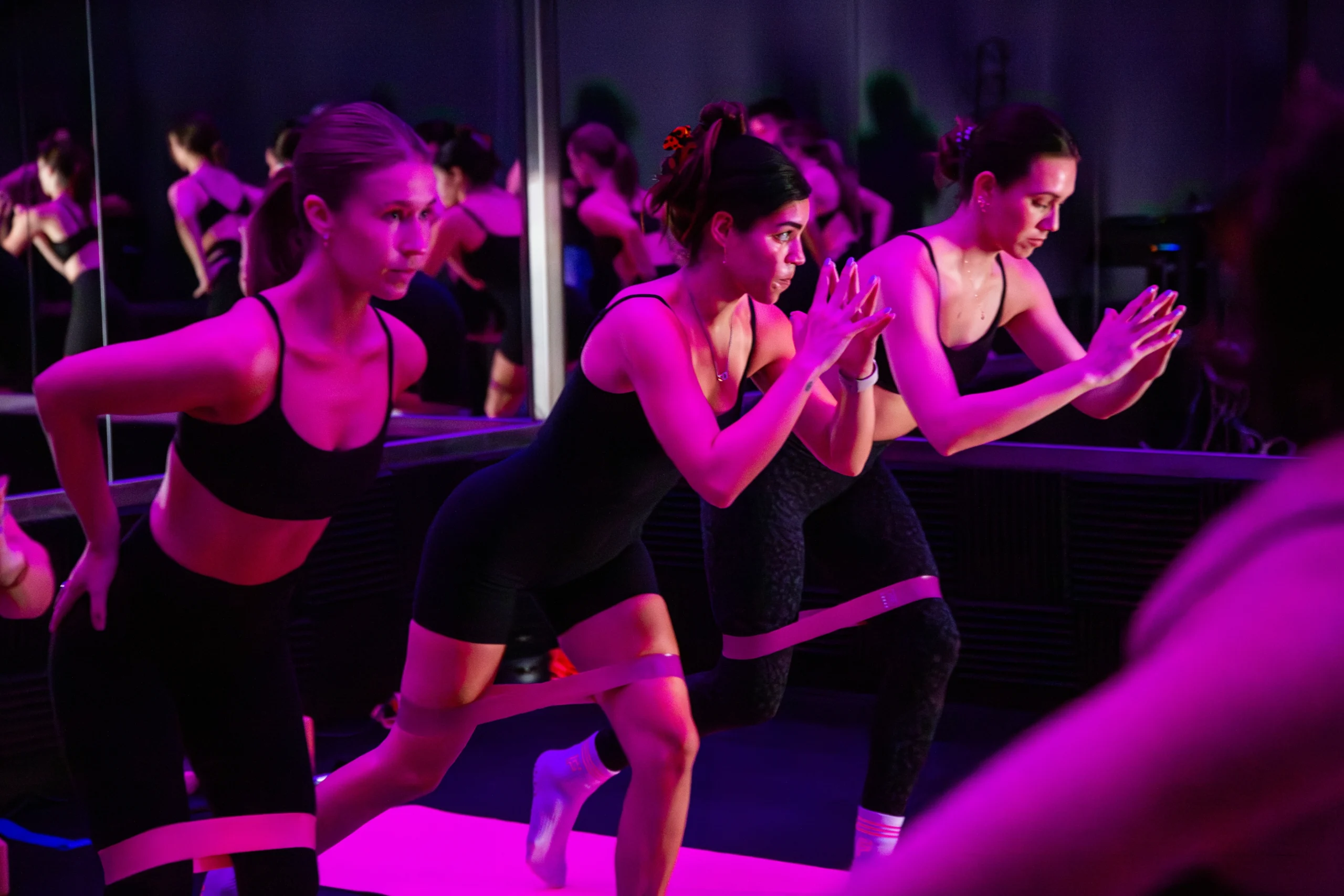
Our passionate team and amazing instructors help you clear your mind.