
If you’re considering Pilates as a workout to support your weight loss goals, you might be wondering how effective it actually is. Questions like “Does Pilates help you lose weight?” or “Can Pilates help lose belly fat?” are common among people looking to try something new.
The short answer? Yes, Pilates can be good for weight loss, but understanding how and why it works might surprise you. Unlike high-intensity cardio workouts, Pilates offers unique benefits for weight management by focusing on core strength, flexibility, and overall body awareness. Here’s everything you need to know about Pilates for fat loss and how it can fit into your fitness routine.
Before breaking down how Pilates impacts weight loss, it’s essential to understand what it is. Pilates is a form of low-impact exercise that emphasizes controlled movements, core stability, and proper breathing. While Pilates is often associated with improving posture and flexibility, it’s also a full-body workout that can tone muscles, increase strength, and improve endurance.
When measured purely in terms of calorie burn, Pilates might not seem as effective as other forms of exercise like running or cycling. A 150-pound person might burn around 175 calories in a 50-minute beginner mat Pilates class, compared to nearly double that with a high-intensity workout. But weight loss isn’t just about burning calories—it’s about creating a sustainable, balanced approach to health, and that’s where Pilates shines.
1. Builds Lean Muscle
Pilates workouts emphasize controlled, strength-based movements that target muscles all over your body. Lean muscle mass helps boost your metabolism, meaning your body burns more calories even at rest. Over time, this can contribute to steady fat loss.
2. Supports Core Strength and Stability
A strong core doesn’t just look good—it also improves posture, reduces back pain, and increases body efficiency. Pilates is renowned for strengthening and sculpting the core, which plays an essential role in functional movement and athletic performance. While this may not translate directly to quick weight loss, it lays a sturdy foundation for long-term fitness success.
3. Combines Strength and Stretching
By integrating stretching into strength movements, Pilates supports muscle recovery while reducing injury risks. This blend ensures that you can stay consistent with your workouts—a key contributor to losing weight sustainably.
4. Enhances (but doesn’t overuse) Cardio
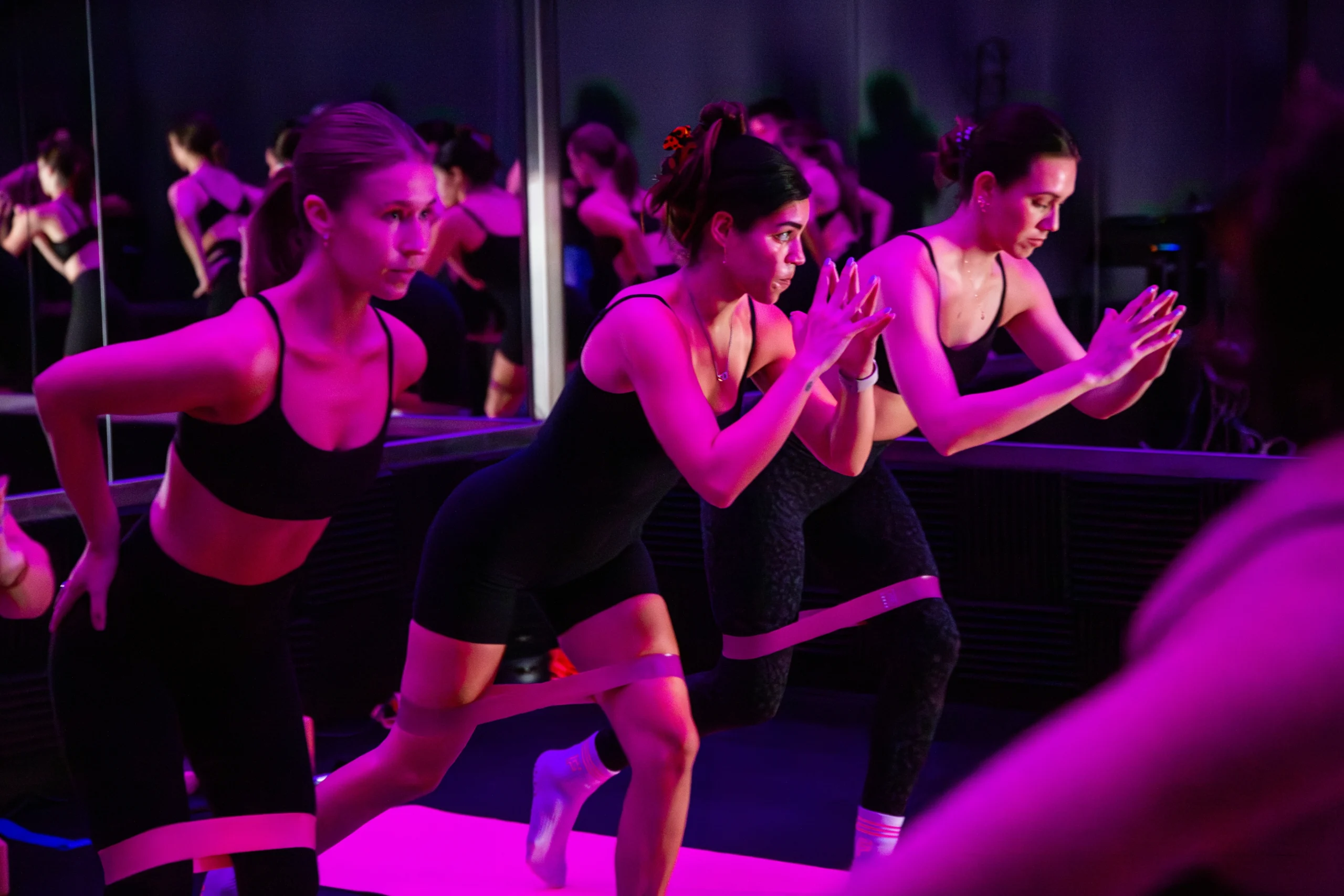
Many advanced Pilates classes incorporate fast-paced sequences or additional equipment like resistance bands, which can increase your heart rate and boost calorie burn. This makes Pilates more dynamic than just “stretching,” bridging the gap between strength training and cardio.
Does Pilates Help You Lose Belly Fat?
Spot reduction—targeting specific areas for fat loss like the belly—is a common myth in fitness. Pilates will not specifically reduce belly fat. Instead, it contributes to overall fat loss when combined with a healthy, balanced diet and consistent physical activity.
However, Pilates does strengthen and tighten the muscles in your abdominal area. With reduced fat and stronger muscles, your midsection will appear more toned over time.
Additionally, Pilates strengthens your mind-body connection. By paying attention to posture and movement, you’re more in tune with your body, which can make you more motivated to maintain a healthy lifestyle overall.
How to Use Pilates for Fat Loss
To maximize the fat-burning and weight-loss potential of Pilates, you need to combine it with other strategies. Here’s how:
1. Combine Pilates With Cardio
Cardio exercises like running, cycling, or swimming play a critical role in calorie burn and cardiovascular health. Incorporate two to three cardio sessions per week alongside your Pilates routine to boost energy expenditure and promote fat loss.
2. Practice Regularly
Consistency is key to seeing results. Aim to do Pilates two to four times a week to see meaningful improvements in strength, flexibility, and overall body composition.
3. Increase Intensity Gradually
Once you’ve mastered beginner Pilates, consider intermediate or advanced classes that add intensity through faster movement sequences or the use of resistance tools. This will challenge your muscles and ensure continued progress.
4. Focus on Nutrition
Weight loss is driven by a calorie deficit. Pair your Pilates routine with a nutrient-dense diet that supports your goals. Incorporating whole foods like fresh fruits, vegetables, lean proteins, and healthy fats can make all the difference.
5. Track Progress Beyond the Scale
Pilates encourages body awareness and holistic health. Focus on how you feel, improved posture, and increased strength rather than obsessing over numbers on a scale. This shift in perspective can support long-term success.
Real-Life Benefits of Pilates for Weight Loss
Pilates enthusiasts often report a profound improvement in their mental well-being alongside physical benefits. Stress management, better sleep, and increased confidence are just a few side effects of regular practice. When combined with its physical benefits, Pilates provides a balanced, fulfilling way to approach your wellness goals.
Pilates is a great option for people of all fitness levels, whether you’re a beginner or someone looking to switch things up. If your goal is weight loss, it’s important to remember that Pilates works best when combined with other fitness activities and healthy lifestyle habits. Even so, its mental and physical benefits are invaluable and can make your weight loss journey much more enjoyable.
If you’re ready to bring Pilates into your weight loss routine, check out FIT AS FIRE’s blogs for workouts and tips tailored to your goals.
"*" indicates required fields

Our passionate team and amazing instructors help you clear your mind.