
Many people struggle with knee pain or stiffness in their joints. This can be from aging, long hours of sitting, past injuries, or lack of physical activity. These issues can make everyday tasks such as walking, climbing stairs, or even standing for long periods uncomfortable. While there are many approaches to managing joint discomfort, Pilates has gained attention for its potential to support joint health and improve mobility. But can Pilates really help with knee pain and joint stiffness?
Before looking at how Pilates help with knee pain, it is important to understand what causes the pain and joint stiffness. Common reasons include:
Knee pain and stiffness often worsen with activity if the surrounding muscles are not strong or flexible. This is where gentle exercise programs like Pilates can be a supportive option for increasing joint health.

Pilates is a form of low-impact exercise that emphasizes controlled movements, proper alignment, and muscle activation. It is different from high-intensity workouts because it focuses on quality of movement rather than speed or heavy resistance. This makes it suitable for people with joint concerns.
Here are some ways Pilates can support knee pain and joint health:
Strengthening the muscles around your knee like the quadriceps, hamstrings, and glutes, help stabilize the joint and reduce stress. Pilates exercises target these areas through movements such as leg circles, bridges, and controlled squats. By improving overall muscle strength, Pilates can help the knee absorb impact more effectively and reduce pain during daily activities.
Stiff joints often result from tight muscles and connective tissue. Pilates encourages gentle stretching and lengthening of muscles, which can improve flexibility over time. Exercises that focus on the hips, calves, and thighs can relieve tension around the knee and make movement easier. For people experiencing stiffness from sitting, Pilates can be a safe way to restore mobility.
Poor posture or misalignment can place extra stress on the knees. Pilates emphasizes proper form, alignment, and controlled movements, which helps the body move more efficiently. When exercises are performed with attention to alignment, the knee experiences less strain, which can help manage pain and prevent further injury.
High-impact activities like running or jumping may aggravate knee pain or joint stiffness. Pilates, by contrast, is low-impact and can be adapted to each person’s ability level. This allows people with sensitive knees to exercise safely without worsening their discomfort.
Pilates encourages awareness of how your body moves. This means you learn to recognize when a movement might strain your knees and how to adjust accordingly. Developing this awareness can reduce the risk of injury and help you move more confidently in daily life.

While working with a certified Pilates instructor is recommended, some basic exercises are commonly suggested for knee health:
Consistency is key. Even a few minutes of these exercises several times a week can help improve knee comfort and joint mobility.
While Pilates is generally safe, some precautions are important for those with knee pain or joint stiffness:
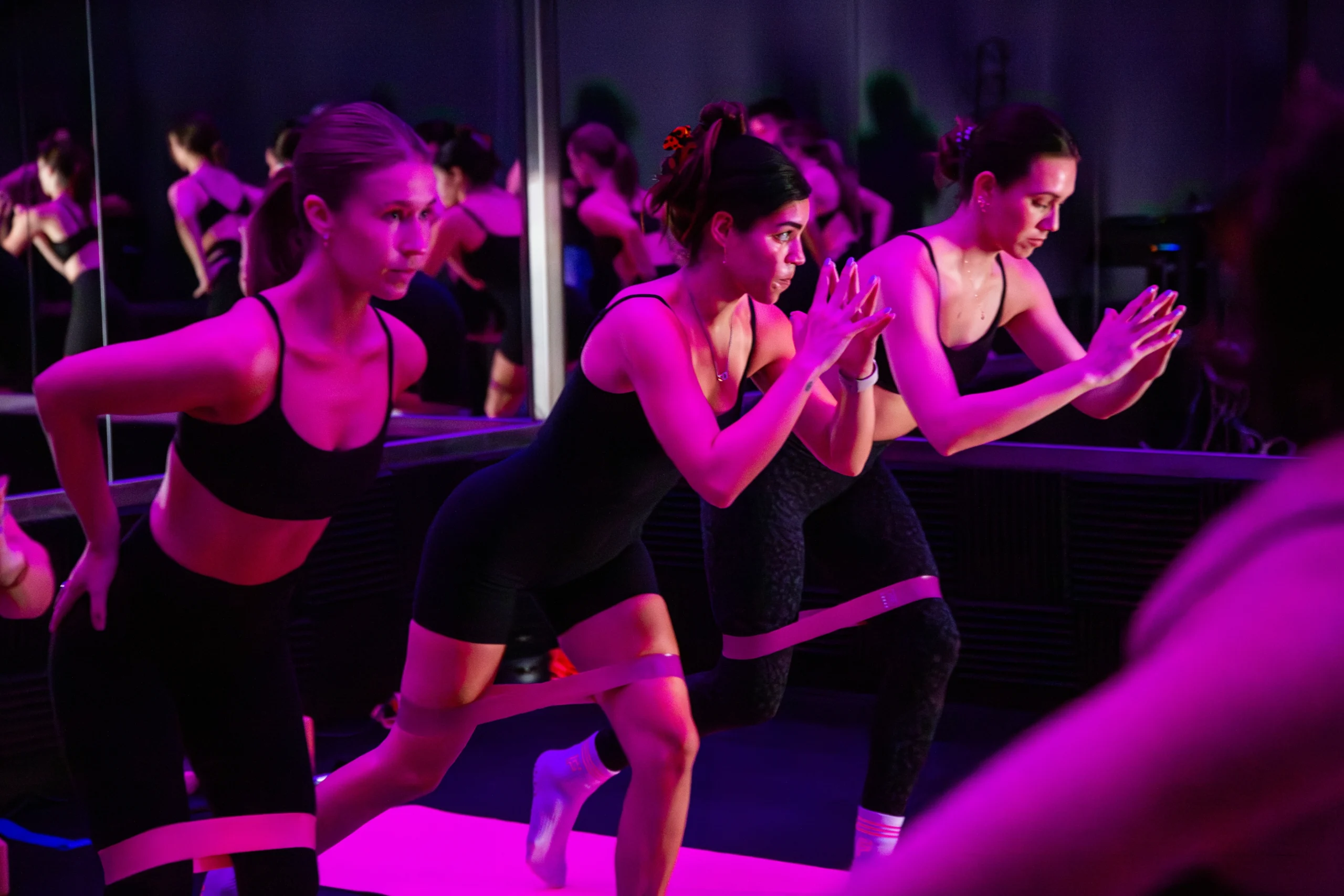
Many people report noticeable improvements in knee comfort after practicing Pilates regularly. Increased strength, improved flexibility, and better alignment often lead to less stiffness and more confidence in movement. For older adults or those recovering from injuries, Pilates can be a valuable part of a routine to maintain joint health.Even fitness programs such as FIT AS FIRE incorporate Pilates-based movements to support clients dealing with joint pain, showing that these exercises are not only safe but also effective when included in a structured routine.
"*" indicates required fields

Our passionate team and amazing instructors help you clear your mind.