
Back pain is one of the most common health complaints among adults, affecting nearly 80% of people at some point in their lives. Whether it stems from prolonged sitting, poor posture, injury, or chronic conditions like herniated discs or sciatica, back discomfort can seriously impact daily life. As more people seek movement based approaches for relief, Pilates has gained attention as a potential solution. But how effective is it? Can it really help with back pain or is that just another fitness trend myth?
In this article, we’ll explore what medical and movement experts have to say about Pilates and its role in back pain management. We’ll also examine how the method’s core principles may support spinal health, and when it might not be the right fit without medical oversight.
Back pain can result from a range of factors; some structural, others lifestyle related. The most common causes include:
While medications and rest may offer temporary relief, physical activity and targeted movement have proven to be among the most effective long term strategies for managing chronic or recurring back pain.
Pilates is a form of low impact exercise developed by Joseph Pilates in the early 20th century, emphasizing core strength, flexibility, alignment, and controlled movement. It can be practiced on a mat or with specialized equipment like the Reformer.
1. Core Engagement
A strong core helps support the spine and reduce stress on the lower back. Pilates exercises consistently target the deep abdominal muscles, such as the transverse abdominis and pelvic floor muscles essential for spinal stabilization.
2. Posture Awareness
Pilates places a strong focus on body awareness and alignment. Learning how to maintain a neutral spine, distribute weight evenly, and avoid excessive arching or rounding can reduce strain on the back.
3. Controlled, Low Impact Movement
Movements in Pilates are deliberate and low impact, which minimizes the risk of further injury while promoting mobility and strength. For individuals with pain, this measured approach is often safer than high intensity exercise.
Although Pilates is generally safe and beneficial for many individuals with back pain, it’s not a one size fits all solution. Certain movements particularly those involving spinal flexion or rotation can aggravate specific conditions like:
In these cases, experts recommend consulting a physician or physical therapist before starting a Pilates routine. Modifications may be necessary, or another form of therapy may be more appropriate.
If you’re considering Pilates for back pain relief, here are a few tips to do it safely:
Pilates can be a highly effective part of a back pain management plan, especially for improving core strength, posture, and body awareness. Backed by both expert opinions and clinical studies, it offers a gentle yet targeted approach to spinal health. That said, it’s not a cure all, and for some individuals, particularly those with structural spinal conditions, Pilates must be approached with caution.
The key is personalization and professional guidance. If you’re experiencing persistent back pain, consider speaking with a physical therapist or healthcare provider before beginning any new exercise program including Pilates.
By combining movement with mindful execution, Pilates may not only ease your discomfort but also help you build a stronger, more resilient body over time.
"*" indicates required fields

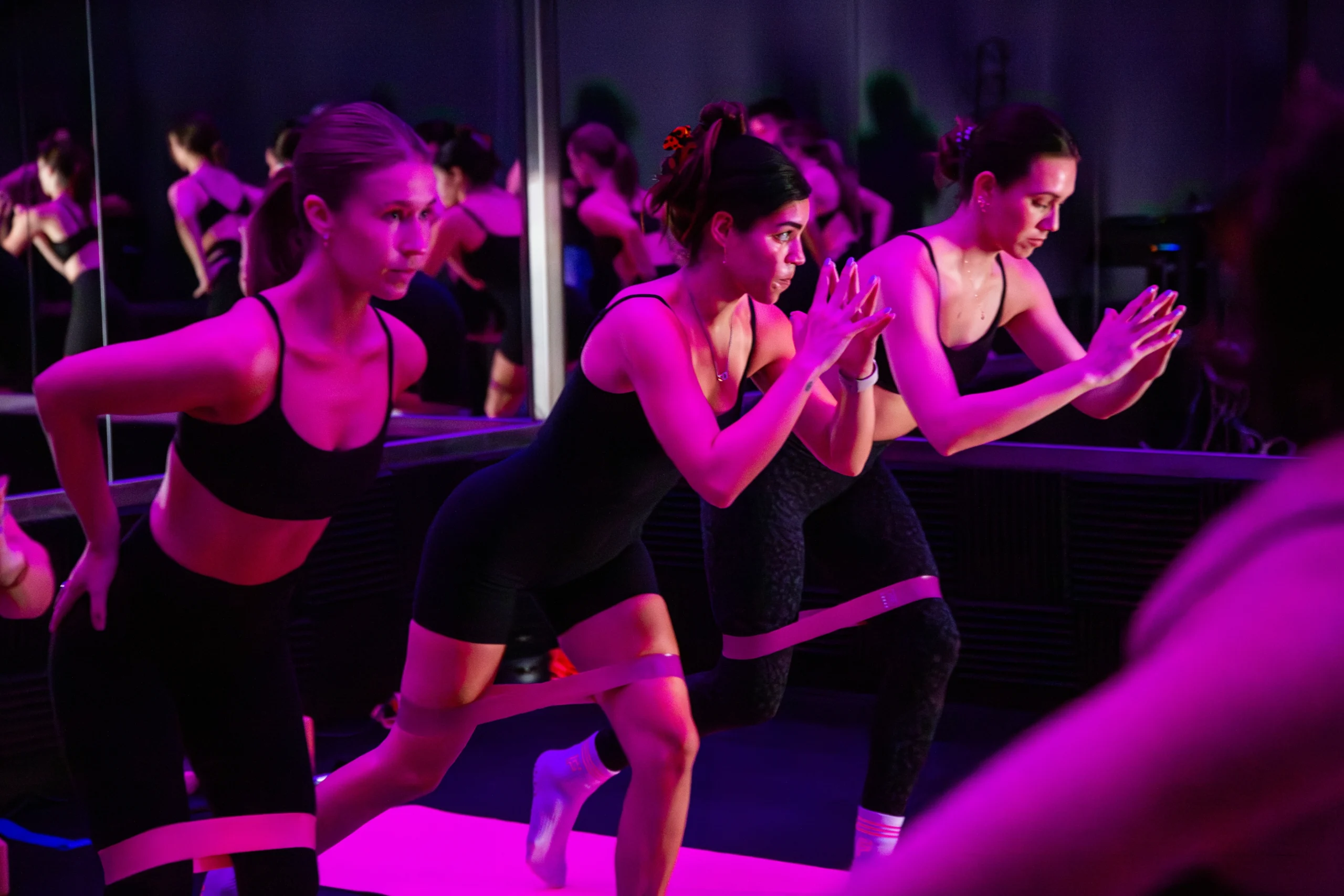
Our passionate team and amazing instructors help you clear your mind.