
Sore muscles after an intense workout can make even the simplest tasks feel like a challenge. While rest and gentle stretching are commonly recommended for recovery, many fitness enthusiasts are looking for new ways to help their muscles recover faster and get back to their routines. One method gaining attention is Pilates. Can this workout method actually ease post-exercise soreness and support recovery? Here, we’ll take a closer look at how Pilates works and whether it can truly benefit your sore muscles after a tough gym session.
By the end of this article, you’ll understand how Pilates, whether performed on a mat or reformer might help reduce muscle soreness, improve recovery, and support overall fitness goals.
Before we discuss how Pilates can support muscle recovery, it’s important to understand why your muscles get sore in the first place. After an intense workout, you may feel delayed onset muscle soreness (DOMS). This is a common response to physical activity, especially if you’ve performed unfamiliar exercises or pushed your muscles harder than usual.
DOMS occurs due to microscopic tears in your muscle fibers, which then lead to inflammation. This process is part of your body’s natural adaptation to exercise, helping your muscles grow stronger over time. However, the stiffness, tenderness, and reduced range of motion can leave you eager for relief.
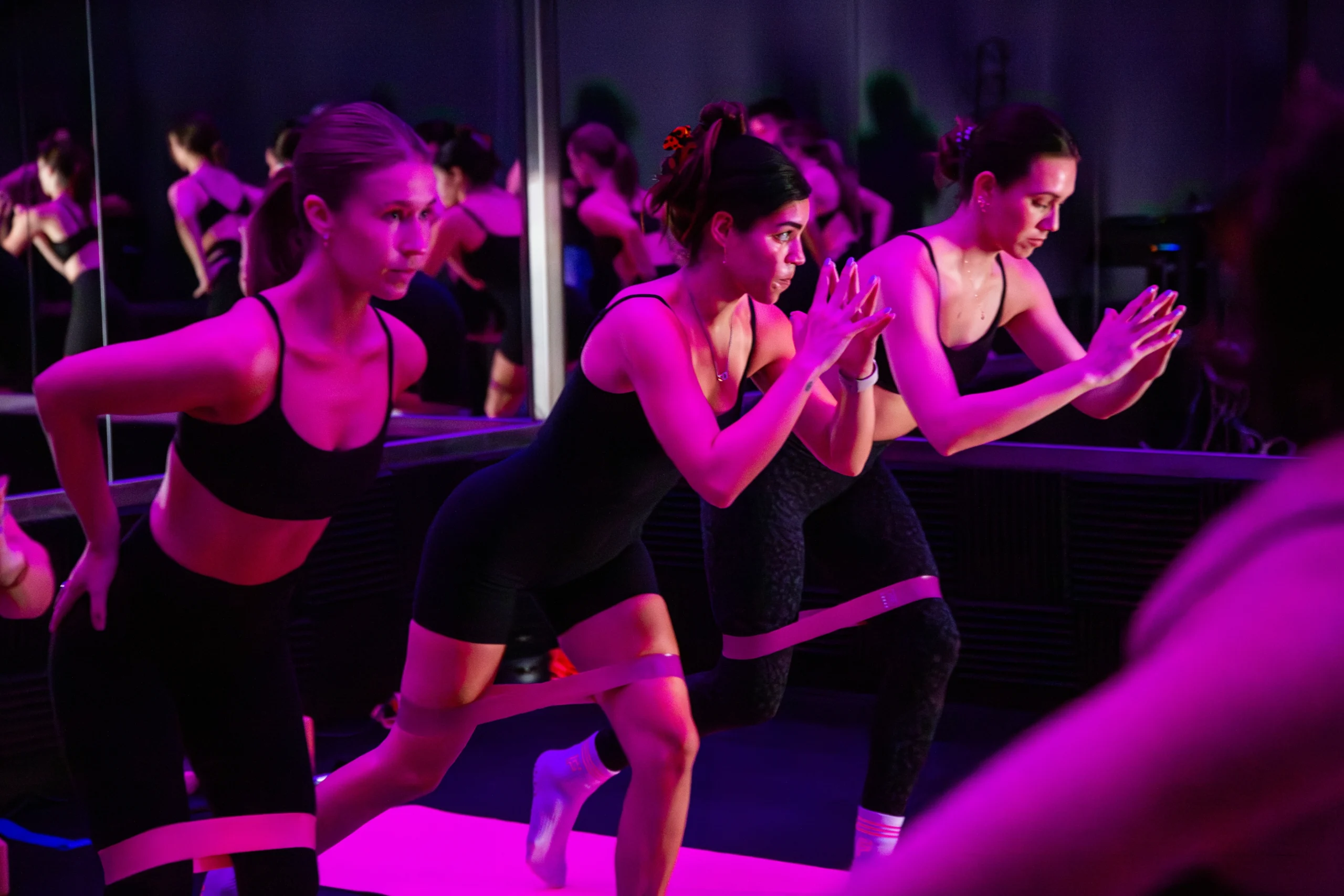
Pilates is a low-impact workout method focused on controlled movements, core strength, flexibility, and balance. It can be practiced using just a mat or with specialized equipment like a reformer. When you search for “Pilates near me,” you might also find studios offering “reformer Pilates near you,” each offering unique benefits for the body. Studios such as FIT AS FIRE provide expert-led classes tailored to varying skill levels.
One of the primary reasons Pilates is regarded as a useful method for easing sore muscles is its role in active recovery. Unlike complete rest, active recovery involves low-intensity movement to keep your blood circulating without placing strain on your muscles. Pilates gently helps improve blood flow, which aids in the delivery of oxygen and nutrients to sore muscle tissues, speeding up the healing process.
Pilates emphasizes flexibility and mobility, both of which are effective in reducing muscle tightness. Tight muscles can exacerbate soreness and limit movement. Pilates movements gently stretch and lengthen the muscles, promoting relaxation and a greater range of motion. Whether you practice on a mat or search for “reformer Pilates near you” to experience equipment-based classes, this style of workout balances strength and flexibility.
While Pilates is heavily focused on core strength, it also engages other muscle groups, such as the legs, arms, and back, in a controlled manner. Stronger muscles are generally less prone to injury, and a more stable core can improve your posture and alignment critical components when recovering from an intense gym session.
If you’re sold on the idea of incorporating Pilates into your recovery routine, here’s how it can help you when sore muscles strike after a workout. Below are some methods to get the most out of this structured, low-impact exercise.
It can be tempting to hit the couch when muscle soreness sets in. However, active recovery, such as a gentle Pilates session, can be more effective than complete inactivity. Movements like the Cat-Cow stretch or gentle side bends are popular in Pilates classes and can be particularly helpful in reducing stiffness while keeping your body active.
Not all Pilates classes are created equal. If you’re feeling sore, look for beginner or restorative classes at a local studio. Options like “FIT AS FIRE” or “FIT 407” will often include classes designed to focus on slow, deliberate movements to avoid overworking already fatigued muscles.
Using specialized Pilates reformer equipment adds an extra layer of support to your movements. Reformer Pilates offers adjustable resistance, which makes it easy to tailor exercises to your body’s needs. If you’re not sure where to start, a simple search for “reformer Pilates near me” can connect you with studios offering this equipment, ideal for recovery.
One of the core principles of Pilates is body awareness. It encourages practitioners to become more in tune with how their body moves and feels during each exercise. This heightened awareness can prevent overexertion, particularly when muscles are sore and more vulnerable to injury.
Proper breathing techniques are foundational in Pilates. Deep, diaphragmatic breathing not only supports efficient movement but also aids in relaxation and stress reduction. This can complement your recovery process, especially after an intense workout.
For best results, incorporate Pilates as a regular part of your fitness routine. Over time, you’ll likely notice improvements in both your recovery and your overall physical performance.
If you are new to Pilates, beginner level classes are a good place to start. Many Pilates classes focus on slower movements and controlled stretching.
Studios offering Pilates Near you often provide small group or private sessions. These settings allow instructors to adjust exercises if you are dealing with soreness in specific areas.
Aside from its recovery benefits, Pilates is an adaptable workout that fits into virtually any lifestyle. Its emphasis on controlled, intentional movement makes it accessible to individuals of all fitness levels. Whether you’re a beginner searching for “Pilates near me” or a seasoned athlete looking to balance intense training with low-impact recovery, Pilates offers something for everyone.
Plus, the growing popularity of studios across Florida makes it easier than ever to find a community that shares your goals. From “Tampa Pilates” to various fitness hubs in the state, building strength and flexibility has never been more accessible.
Muscle soreness is an inevitable part of staying active and challenging your body. But the right recovery methods can make it easier to bounce back. Pilates, with its blend of gentle strength training, stretching, and mobility work, offers an effective way to manage DOMS and improve your overall performance.
"*" indicates required fields

Our passionate team and amazing instructors help you clear your mind.